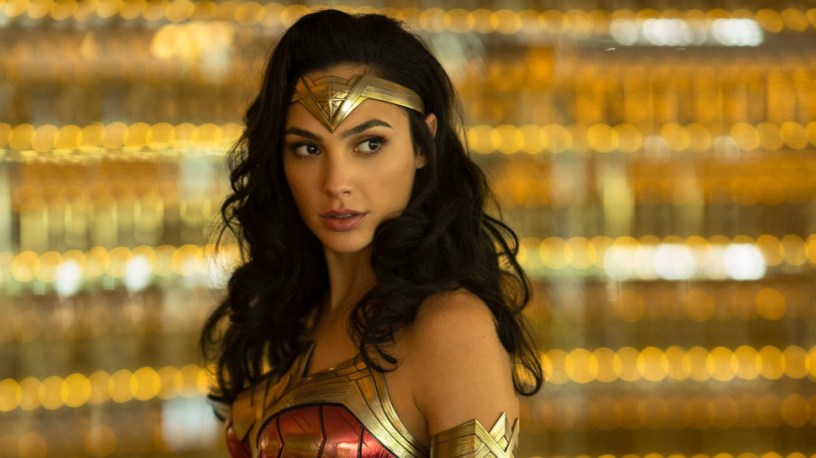
The success of 2017’s Wonder Woman was a welcome breath of fresh air, a shining beacon of hope and power in the midst of DC’s Snyder-led slate of tonally grim superhero films. Full of heart and determined optimism, it offered a right balance of thrilling action, superhero adventure, and charming romance. Wonder Woman 1984, the anticipated sequel by returning director Patty Jenkins, is finally here after several delays (due to some final reshoots and the COVID-19 pandemic happening), releasing both in selected theaters and HBO Max. Was it worth the wait? Apparently not, as it’s an empty, sluggish follow-up to arguably one of the most beloved and critically successful entries in DC’s modern cinematic offerings.
Our titular hero, also known as Diana Prince (Gal Gadot), finds herself alone and lonely in 1984 (as the title suggests) Washington D.C. As she balances the life of being an undercover superhero and senior anthropologist at the Smithsonian Institute, she tries to establish some sort of a social life and becomes friendly with her sweet but clumsy gemologist co-worker Dr. Barbara Minerva (Kristin Wiig). Their friendship is disrupted by the arrival of an ancient magical rock that, at first, unknowingly grants both of their desires. For Diana, it’s the return of Steve Trevor (Chris Pine) who’s been dead since World War I. Barbara gets her wish to be more like Diana – strong, sexy, confident – and immediately gains power and fame beyond her wildest imagination. Things take a turn for the worse, and I mean really worse, when oil tycoon Maxwell Lord (Pedro Pascal) gets his hands on the mentioned magical rock and wishes to be the rock itself, setting the stage for an eventual global unrest during the height of Cold War.
Most of the time, setting a story in the ’80s is partly to wallow in the nostalgia. But in WW84, it’s played up simply for its pastel-colored aesthetic and cheap gags. There’s even a montage where Steve tries on different ’80s outfits for some quick laughs, reveling on the campy visuals of popped collars on Polo shirts and bright tracksuits. In the grand scheme of things, however, nothing indicates as to why we’re in this particular timeframe and how Diana even ended up here.
Clearly a lot of the problems with WW84 can be attributed to its messy screenplay, written by Patty Jenkins, Geoff Johns, and Dave Callahan. The pacing and editing feels very lethargic, with a majority of the scenes often overstaying their welcome. The opening flashback set in Diana’s childhood participation of Amazonian Olympics, showcasing aerial gymnastics and impressive demonstrations of skill, feels pointless and out of place within the context of the rest of the movie. The writing meanders aimlessly among its characters as they explore the fulfillment of their wishes and the consequences they have to face. Barbara’s character arc and transformation into Cheetah happens quickly and all too contrived, but Kristen Wiig does her best with what she’s given. Pedro Pascal seems to be having the most fun among the cast, hamming up his performance like a cartoon villain. Diana and Steve’s charming chemistry is back, but his return comes with heavy ethical issues that Diana happily ignores for her own selfish reasons. The screenwriters must have forgotten about the empowering development Diana went through in the first film.
Jenkins also feels detached to the property she’s helped bring to success. For a superhero film, there’s really not much superhero antics going around. The set pieces don’t feel like the right representation of Diana’s character and strengths. The action sequences fall flat most of the time, and the anticipation of seeing the signature style of fight choreography from the first film remains unfulfilled. There’s also an airy weightlessness to the punches that’s uncharacteristic for an Amazonian goddess and a super-powered villainous creature. Wonder Woman’s crossing of No Man’s Land in the previous movie is still a highlight for me, so it’s disappointing to see her fight scenes in this one are forgettable overall.
In the end, Wonder Woman 1984 does not add anything of significance to its hero’s mythos other than capitalizing on a successful solo film. It’s a case of Hollywood feeling the need to do something with a property that’s hot, while falling into the trappings of having a sequel that’s bigger and bolder than the original. That’s a given, really. But the best sequels build upon the life and personality of what came before, and adding a meaningful reason to do it again. After battling a god of war, I just never expected Wonder Woman’s next big adventure would be stopping a delusional businessman.
Rating: ★★☆☆☆
 The Talking Screen